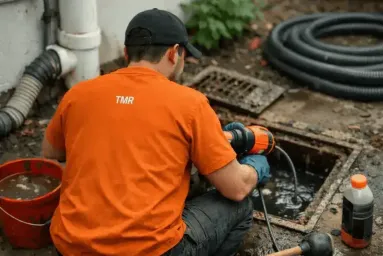
Blocked Drains Hawthorn: Your Complete Guide to Fast, Reliable Drain Solutions
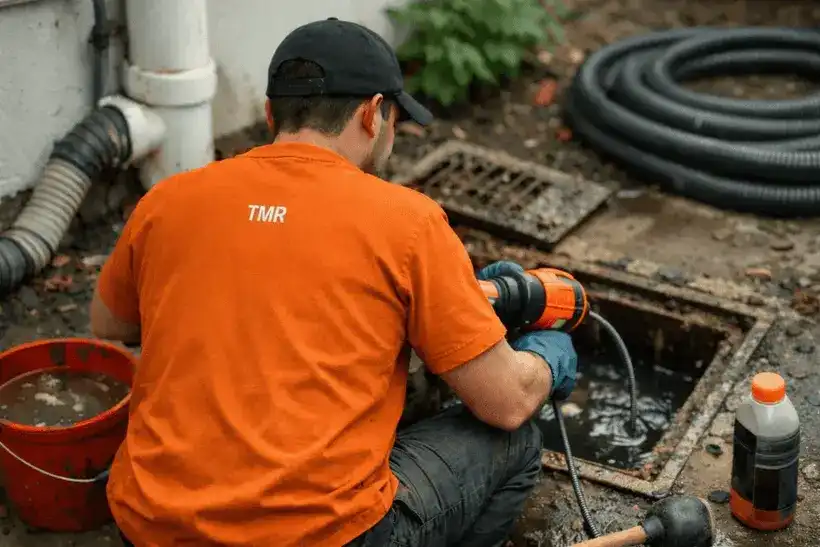
Blocked drains affect thousands of Hawthorn properties annually, causing unpleasant odors, water damage, and health hazards. Professional drainage solutions restore functionality quickly while preventing recurring problems through advanced diagnostic technology and cleaning methods. Understanding drainage issues specific to Hawthorn's infrastructure helps property owners make informed decisions when selecting plumbing services.
Understanding Drainage Issues in Hawthorn Properties
Hawthorn's housing stock consists of 59.3% apartments and units, 23.5% separate houses, and 16.4% semi-detached terraces. This diverse property mix creates unique drainage challenges requiring specialized knowledge. Older heritage homes feature aging clay or cast iron pipes susceptible to deterioration, while modern apartment complexes face shared system complications affecting multiple residents simultaneously.
The suburb's established gardens with mature trees present significant risks for tree root intrusion into underground pipes, causing blocked drains hawthorn. Tree roots seek moisture and nutrients inside sewer lines, entering through tiny cracks and expanding to cause severe blockages. Melbourne's variable weather patterns compound these issues, with heavy rainfall overwhelming stormwater systems and washing debris into drains.
Common Causes of Blocked Drains in Hawthorn Homes
Grease buildup ranks among the most frequent causes of kitchen drain blockages. Cooking oils and fats solidify inside pipes, gradually narrowing the passage and trapping food particles. Hair, soap residue, and toothpaste accumulate in bathroom drains, creating stubborn obstructions over time.
Tree root intrusion affects properties with established landscaping, particularly homes built before modern pipe materials became standard. Roots penetrate pipes through joints and cracks, expanding inside to create complete blockages requiring professional intervention. Foreign objects flushed down toilets, including sanitary products, wet wipes, and paper towels, contribute significantly to sewer line problems despite appearing flushable.
Poor pipe installation or misalignment in older Hawthorn properties leads to dips where waste accumulates. Collapsed pipes from shifting soil, aging infrastructure, or excessive ground pressure require immediate attention to prevent property damage. Scale buildup from hard water compounds blockage problems in areas with high mineral content.
Emergency Blocked Drains Hawthorn: When to Call for Immediate Help
Sewage backup presents serious health risks requiring immediate emergency plumbing response. When multiple fixtures drain slowly or refuse to drain simultaneously, the main sewer line likely has a significant blockage affecting the entire property. Foul sewage odors emanating from drains indicate dangerous gases escaping from blocked sewer systems.
Water pooling in yards or overflowing from stormwater pits during rainfall signals urgent drainage problems. Professional plumbers in Melbourne suburbs typically respond within 30 to 90 minutes for urgent local emergencies. Delayed response to drainage emergencies risks structural damage, contamination, and costly repairs exceeding preventative maintenance expenses.
Gurgling sounds from toilets or drains when using other fixtures warn of ventilation problems or developing blockages. Property owners should contact emergency services immediately when water backing up from floor drains threatens flooding or when tree roots cause sudden, complete blockages.
Professional Drain Unblocking Hawthorn Methods and Techniques
High-pressure water jetting represents the most effective method for clearing stubborn blockages and thoroughly cleaning pipe interiors. This technique uses pressurized water streams reaching thousands of PSI to blast through debris, grease, and tree roots while scouring pipe walls clean. Unlike temporary solutions, jetting provides long-term results by removing all buildup rather than simply creating holes through obstructions.
Mechanical augering handles specific blockages requiring physical cutting action, particularly effective against compacted tree roots. Electric drain snakes with cutting attachments break through solid obstructions, though they don't clean pipe walls as comprehensively as jetting. Chemical treatments offer limited effectiveness and pose environmental concerns, making them unsuitable for serious blockages.
DIY methods like plungers or retail drain cleaners provide only temporary relief for minor surface blockages. Professional equipment reaches deep into drainage systems to address root causes rather than symptoms, preventing recurring problems that escalate into emergencies.
CCTV Drain Camera Inspections: Diagnosing Hidden Problems
CCTV drain inspection technology allows plumbers to accurately locate and diagnose drainage problems without destructive excavation. High-resolution cameras mounted on flexible cables navigate through pipes, transmitting real-time video showing blockage locations, pipe condition, and structural damage. This non-invasive approach minimizes disruption to properties while providing comprehensive diagnostic information.
Standard CCTV inspections typically cost between $250 and $400, varying based on drainage system complexity and accessibility. The technology identifies tree root intrusion, pipe cracks, collapsed sections, and foreign object locations with precision impossible through traditional methods. Inspections reveal hidden problems before they become emergencies, enabling preventative repairs that cost significantly less than emergency service.
Property owners benefit from recorded inspection footage documenting drainage system conditions for maintenance planning and insurance purposes. Regular inspections every 12 to 24 months detect developing issues early, particularly in properties with known tree root problems or aging infrastructure.
High-Pressure Drain Cleaning: The Most Effective Solution
High-pressure water jetting outperforms traditional mechanical methods by completely cleaning pipe interiors rather than simply punching holes through blockages. The pressurized water removes grease, scale, and debris accumulation from pipe walls, restoring full diameter flow capacity. This comprehensive cleaning extends intervals between necessary maintenance services compared to temporary clearing methods.
The technique proves especially effective against tree roots, which mechanical snaking often leaves partially intact to regrow rapidly. Specialized cutting nozzles attached to jetting equipment slice through root masses while flushing debris downstream. Professional jetting systems adjust pressure based on pipe material and condition, preventing damage to older or fragile pipes.
Environmental safety distinguishes jetting from chemical treatments, using only water without harsh substances entering municipal systems. Post-cleaning CCTV inspections verify complete blockage removal and identify any remaining concerns requiring attention. Recurring clogs despite other methods indicate the need for high-pressure jetting to address the underlying buildup causing repeated problems.
Blocked Sewer Hawthorn: Risks and Professional Solutions
Blocked sewer systems expose property occupants to dangerous bacteria and pathogens requiring immediate professional intervention. Raw sewage contains harmful microorganisms, causing serious illnesses when contacted or inhaled. Property damage from sewage backup ruins flooring, walls, and possessions while creating expensive restoration requirements.
Environmental contamination occurs when sewage escapes into soil or waterways, creating legal liability for property owners under Victorian regulations. Professional plumbers use specialized equipment, including high-pressure jetting and CCTV cameras, to locate and clear sewer blockages completely. Main sewer line problems often stem from tree root intrusion, collapsed pipes, or foreign object accumulation requiring targeted solutions.
Prevention strategies include regular inspections, careful waste disposal, and professional cleaning every 12 months. Property owners must avoid flushing non-biodegradable items and install root barriers near sewer lines to minimize intrusion risks. Melbourne plumbing services familiar with local sewer infrastructure provide faster diagnosis and resolution than general contractors unfamiliar with regional systems.
Blocked Stormwater Drain Management and Prevention
Stormwater drain blockages differ fundamentally from sewer issues, handling only rainwater and surface runoff rather than wastewater. Leaf litter, garden debris, and sediment accumulate in stormwater pits and pipes, particularly during autumn when established trees shed heavily. Melbourne's established gardens in suburbs like Hawthorn generate significant organic debris entering stormwater systems.
Undersized stormwater infrastructure in older properties struggles to handle modern rainfall intensities, causing flooding during storms. Regular maintenance every six months prevents buildup from reaching critical blockage levels. High-pressure jetting clears compacted sediment and organic matter from stormwater pipes effectively.
Property owners should keep gutters clean and install grate covers, preventing large debris from entering pits. Professional inspections using CCTV technology identify damaged pipes, collapsed sections, or inadequate capacity requiring upgrades. Stormwater system modifications, including larger pipes or additional drainage points, may be necessary for properties experiencing repeated flooding issues.
Residential Plumbing vs Commercial Plumbing Drainage Needs
Commercial properties generate substantially higher wastewater volumes requiring larger capacity drainage systems and more frequent maintenance. Restaurants and food service establishments must install and maintain grease traps, preventing fats, oils, and grease from entering municipal systems. Grease trap cleaning should occur when traps reach 25% to 30% capacity, typically every two to three months for busy kitchens.
Residential properties face different drainage challenges, including hair accumulation, household chemical buildup, and occasional foreign object blockages. Maintenance frequency for residential systems averages annually unless specific problems like tree roots require more frequent attention. Apartment buildings with shared drainage systems require coordination among multiple owners when main line problems affect entire structures.
Commercial plumbing regulations enforce strict compliance standards, including trade waste agreements and mandatory maintenance documentation. Emergency response protocols differ between commercial and residential services, with businesses requiring faster response to minimize operational disruption and revenue loss.
Choosing the Right Local Plumber Hawthorn for Your Drainage Issues
Licensed plumbers must hold a valid Victorian registration demonstrating competency and compliance with building codes. Equipment quality separates professional services from inadequate providers, with modern CCTV cameras and high-pressure jetting systems indicating serious investment in effective solutions. Response time matters significantly during emergencies, with local Hawthorn specialists typically arriving within 30 to 90 minutes.
Pricing transparency distinguishes reputable plumbers from those adding unexpected charges after work begins. Request detailed quotes, including labor, equipment usage, and materials, before authorizing repairs. Experience with Hawthorn's specific infrastructure, including heritage property plumbing and apartment building shared systems, ensures faster diagnosis and appropriate solutions.
Customer reviews and testimonials provide insight into service quality, reliability, and professionalism. Verify insurance coverage protecting property owners from liability if accidental damage occurs during repairs. Ask about warranty periods covering workmanship and guarantees ensuring blockages won't recur within specified timeframes.
Preventative Maintenance to Avoid Future Blocked Drains Hawthorn
Regular professional drain cleaning every 12 months prevents minor accumulations from developing into complete blockages. This proactive approach costs significantly less than emergency repairs while extending the drainage system's lifespan. Proper waste disposal habits, including avoiding grease disposal through sinks and careful monitoring of items flushed down toilets, eliminate common blockage causes.
Tree root management near sewer lines includes strategic planting, maintaining a minimum three-meter distance from underground pipes. Property owners with established trees should schedule regular CCTV inspections to identify early root intrusion before significant damage occurs. Root barrier installation during landscaping or sewer line replacement prevents future intrusion problems.
Seasonal maintenance before autumn and winter addresses leaf accumulation and prepares stormwater systems for heavy rainfall periods. Installing drain screens and grate covers prevents debris entry while allowing water flow. Cost-benefit analysis consistently favors preventative maintenance over reactive emergency repairs, with annual servicing costing substantially less than single emergency callouts.
Cost Factors for Drain Unblocking and Repair Services
Basic blockage clearing typically ranges from $300 to $500, depending on accessibility and blockage severity. CCTV drain inspections add $250 to $400 to service costs but provide valuable diagnostic information, preventing unnecessary work. High-pressure water jetting costs more than mechanical snaking but delivers superior long-term results by completely cleaning pipes.
After-hours emergency service, weekends, and public holidays incur premium pricing reflecting technician availability and urgency. Complex repairs, including pipe relining, range from $500 to $800 per meter for inversion methods, while sectional repairs cost $2,000 to $3,000 per meter. Complete pipe replacement typically costs $25,000 or more, including excavation and reinstatement, making relining economically attractive for extensive damage.
Access difficulty significantly affects costs, with pipes under concrete slabs or landscaping requiring additional labor. Equipment requirements, including specialized cutting tools or large-capacity jetting systems for commercial properties, increase service fees. Multiple blockage locations or extensive tree root networks require longer service times, impacting final costs.
Hawthorn VIC Infrastructure and Drainage System Considerations
Hawthorn's drainage infrastructure reflects the suburb's development history, with older sections featuring clay pipes installed decades ago. These aging materials crack and deteriorate over time, creating entry points for tree roots and causing structural failures. Newer developments utilize PVC and HDPE pipes resistant to corrosion and root intrusion.
Connection to Melbourne's main sewer network means Hawthorn properties follow metropolitan standards for waste disposal and stormwater management. Council regulations require permits for significant drainage modifications, and Melbourne plumbing services navigate these requirements efficiently. Local knowledge of Boroondara Council processes expedites approvals for necessary repairs or upgrades.
Heritage property restrictions in parts of Hawthorn require specialized approaches to preserving architectural features while upgrading plumbing systems. Plumbers experienced with heritage considerations balance modern efficiency with conservation requirements. The suburb's mix of property types demands versatile expertise handling everything from Victorian-era terraces to contemporary apartment complexes.
Long-Term Solutions for Recurring Blocked Pipes Hawthorn Properties
Persistent drainage problems despite repeated clearing indicate underlying structural issues requiring permanent solutions. Pipe relining creates seamless barriers preventing root intrusion while sealing cracks and deteriorated sections. This trenchless technology costs $500 to $800 per meter but eliminates excavation expenses and landscape restoration.
Root barrier installation during pipe replacement or as a standalone intervention prevents tree roots from reaching underground pipes. Physical barriers constructed from plastic or metal shield entire pipe lengths, providing decades of protection. Complete sewer line replacement becomes necessary when pipes have collapsed extensively or deteriorated beyond repair capacity.
Drainage system upgrades, including larger diameter pipes or additional access points, address capacity limitations in older properties experiencing repeated flooding. Professional assessment determines whether temporary clearing or permanent infrastructure modifications offer better long-term value. Properties with chronic problems often save money through comprehensive solutions rather than repeated emergency services addressing symptoms rather than causes.
Emergency Response: What to Do While Waiting for Your Blocked Drain Plumber Hawthorn
Immediately stop water usage throughout the property to prevent additional sewage backup or flooding. Locate and shut off the main water supply if overflow threatens property damage. Move valuable items and furniture away from affected areas to minimize damage exposure.
Avoid contact with sewage or contaminated water due to serious health risks from pathogens and bacteria. Ventilate affected areas by opening windows while staying out of contaminated spaces until professionals arrive. Document damage through photographs for insurance claims before cleanup begins.
Place towels or barriers containing water spread to unaffected areas while awaiting emergency response. Never attempt DIY repairs during active emergencies, as improper intervention can worsen the situation or cause injury. Clear access paths to drainage access points enable plumbers to begin work immediately upon arrival, reducing response times and minimizing damage.